
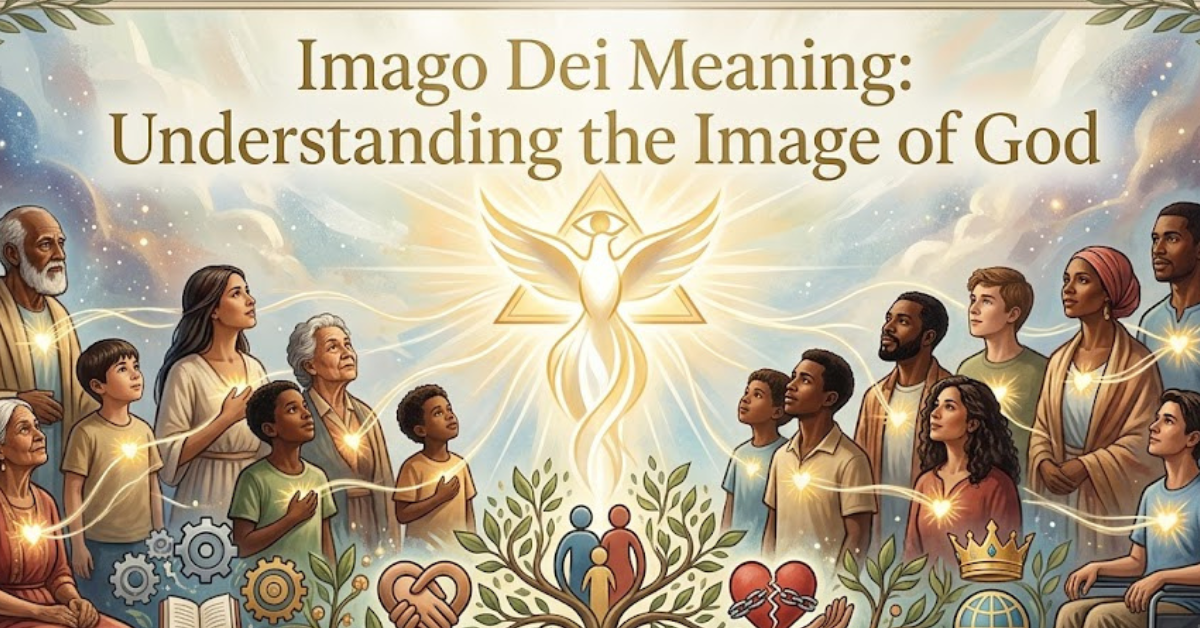
What does it mean to be made in the image of God? This question has fascinated theologians, philosophers, and believers for centuries. At the heart of this discussion is the concept of Imago Dei, a Latin phrase that carries profound implications for human identity, value, and purpose.
Understanding the Imago Dei meaning can transform the way we view ourselves and others. Whether you’re exploring Christianity, studying theology, or simply curious about biblical teachings, this guide will explain the origins, significance, and modern relevance of this powerful concept.
What Does Imago Dei Mean?
Imago Dei is a Latin term that translates to “Image of God.” It comes from the biblical teaching that human beings were created to reflect God’s nature in a unique way.
The phrase originates from the Book of Genesis:
“So God created mankind in his own image, in the image of God he created them; male and female he created them.” — Genesis 1:27
In simple terms, the Imago Dei meaning refers to the belief that every human being bears God’s image and possesses inherent worth, dignity, and value.
Unlike animals or other created things, humans are described in Scripture as having a special relationship with God and a unique role in creation.
The Biblical Foundation of Imago Dei
Genesis and the Creation Account
The concept first appears in Genesis 1:26-27. Before creating humanity, God declares His intention to make humans in His image and likeness.
This passage highlights several important truths:
- Humans have unique value among all creation.
- Both men and women equally bear God’s image.
- Humanity is entrusted with stewardship over the earth.
- Human life possesses sacred worth.
The Image of God After the Fall
According to Christian theology, sin entered the world through Adam and Eve’s disobedience. While sin affected humanity, many theologians argue that the image of God was not erased.
Instead:
- The image became distorted.
- Human nature was damaged by sin.
- People still retain God-given dignity.
This understanding forms the basis for many Christian teachings about human rights, justice, and compassion.
Different Interpretations of Imago Dei
Throughout history, scholars have offered various explanations of what it means to bear God’s image.
The Structural View
This perspective focuses on characteristics humans possess.
Examples include:
- Reason and intelligence
- Self-awareness
- Moral judgment
- Creativity
- Free will
Supporters believe these qualities reflect aspects of God’s nature.
The Relational View
The relational interpretation emphasizes humanity’s ability to form meaningful relationships.
According to this view, humans reflect God because they can:
- Relate to God
- Build relationships with others
- Experience love and community
This interpretation gained popularity through theologians such as Karl Barth.
The Functional View
This perspective focuses on humanity’s role and purpose.
People reflect God by:
- Caring for creation
- Exercising responsible leadership
- Serving as God’s representatives on earth
The functional view highlights stewardship rather than personal attributes.
Why Is the Imago Dei Important?
It Establishes Human Dignity
One of the most significant implications of the Imago Dei meaning is that every person has intrinsic value.
Human worth is not based on:
- Wealth
- Education
- Race
- Social status
- Physical ability
Instead, dignity comes from being created in God’s image.
It Shapes Human Identity
Many people struggle with questions like:
- Who am I?
- Why am I here?
- What is my purpose?
The doctrine of Imago Dei provides a foundation for identity by teaching that humans were intentionally created by God.
It Supports Equality
Because all people bear God’s image, Christianity teaches that every person deserves respect and compassion.
This belief has influenced:
- Human rights movements
- Social justice initiatives
- Anti-slavery efforts
- Charitable organizations
It Encourages Responsible Living
If humans reflect God’s image, they are called to represent Him through their actions.
This includes:
- Ethical decision-making
- Caring for others
- Protecting creation
- Pursuing justice
Imago Dei and Human Relationships
Viewing Others Through God’s Image
Understanding the image of God can dramatically change interpersonal relationships.
When people recognize that every individual bears God’s image, they may be more likely to:
- Show kindness
- Practice forgiveness
- Value diversity
- Reject discrimination
Family and Community
The concept also influences family life and community relationships.
It encourages people to:
- Treat others with dignity
- Build healthy communities
- Promote reconciliation
- Serve those in need
Imago Dei in Christian Theology
Jesus Christ as the Perfect Image
In Christianity, Jesus is often described as the perfect expression of God’s image.
Several New Testament passages present Christ as:
- The exact representation of God
- The visible image of the invisible God
- The model for human restoration
Christians believe that through Jesus, humanity can better understand what it means to truly reflect God.
Restoration of the Image
Many Christian traditions teach that spiritual growth involves becoming more like Christ.
This process includes:
- Moral transformation
- Spiritual maturity
- Growth in love and compassion
- Renewed relationship with God
The goal is not becoming divine but reflecting God’s character more faithfully.
Modern Applications of Imago Dei
The Imago Dei meaning extends far beyond theology classrooms and church sermons.
Human Rights
The belief that all people possess inherent worth continues to influence discussions about:
- Human dignity
- Equality
- Freedom
- Social justice
Healthcare and Ethics
Medical ethics often engage with concepts related to human value and personhood.
Questions involving:
- End-of-life care
- Disability rights
- Medical treatment
- Bioethics
are frequently informed by ideas connected to the image of God.
Workplace and Leadership
In professional settings, Imago Dei encourages leaders to:
- Respect employees
- Promote fairness
- Value individuals over productivity alone
- Foster ethical workplace cultures
Environmental Stewardship
The doctrine also supports responsible care for the environment.
Humans are viewed as caretakers rather than owners of creation, responsible for protecting and managing natural resources wisely.
Common Misunderstandings About Imago Dei
It Does Not Mean Humans Are Gods
Being made in God’s image does not mean people possess divine status or power.
Instead, it means humans reflect certain aspects of God’s character and purpose.
It Does Not Depend on Behavior
A person’s value is not earned through good deeds.
According to the doctrine, human dignity exists because of God’s creation, not personal achievement.
It Is Not Limited to Certain Groups
The image of God belongs to all people regardless of:
- Nationality
- Gender
- Age
- Ethnicity
- Religion
- Ability level
This universality is central to the concept.
Key Takeaways
- Imago Dei means “Image of God” in Latin.
- The concept originates in Genesis 1:26-27.
- It teaches that every human being has inherent dignity and worth.
- The doctrine influences Christian views on identity, equality, and purpose.
- Different interpretations include structural, relational, and functional perspectives.
- The concept remains relevant in ethics, human rights, leadership, and social justice discussions.
Frequently Asked Questions
What is the literal Imago Dei meaning?
The literal meaning of Imago Dei is “Image of God.” The phrase comes from Latin and refers to the biblical teaching that humans were created in God’s image.
Where is Imago Dei found in the Bible?
The concept originates in Genesis 1:26-27, where God creates humanity in His image and likeness. It is also referenced throughout the Old and New Testaments.
Why is Imago Dei important in Christianity?
It explains human dignity, purpose, and value. The doctrine teaches that every person has worth because they reflect God’s image.
Does sin destroy the image of God?
Most Christian traditions teach that sin damages or distorts God’s image in humanity but does not completely remove it.
How does Imago Dei affect human rights?
The belief that all people bear God’s image supports ideas of equality, dignity, justice, and respect for every human life.
What does Imago Dei teach about identity?
The doctrine teaches that human identity is rooted in being created by God. This provides a foundation for purpose, value, and self-understanding.
Conclusion
The Imago Dei meaning reaches far beyond a theological phrase. It offers a powerful framework for understanding who we are, why human life matters, and how we should treat one another. Rooted in the biblical creation account, the concept teaches that every person carries inherent dignity and value because they bear the image of God.
Whether viewed through theology, ethics, leadership, or everyday relationships, Imago Dei continues to shape conversations about identity, equality, and purpose. By embracing this understanding, individuals can develop a deeper appreciation for themselves, others, and the unique role humanity plays in the world.